



SUCCESS Project | International Implementation Meeting in Douala, Cameroon
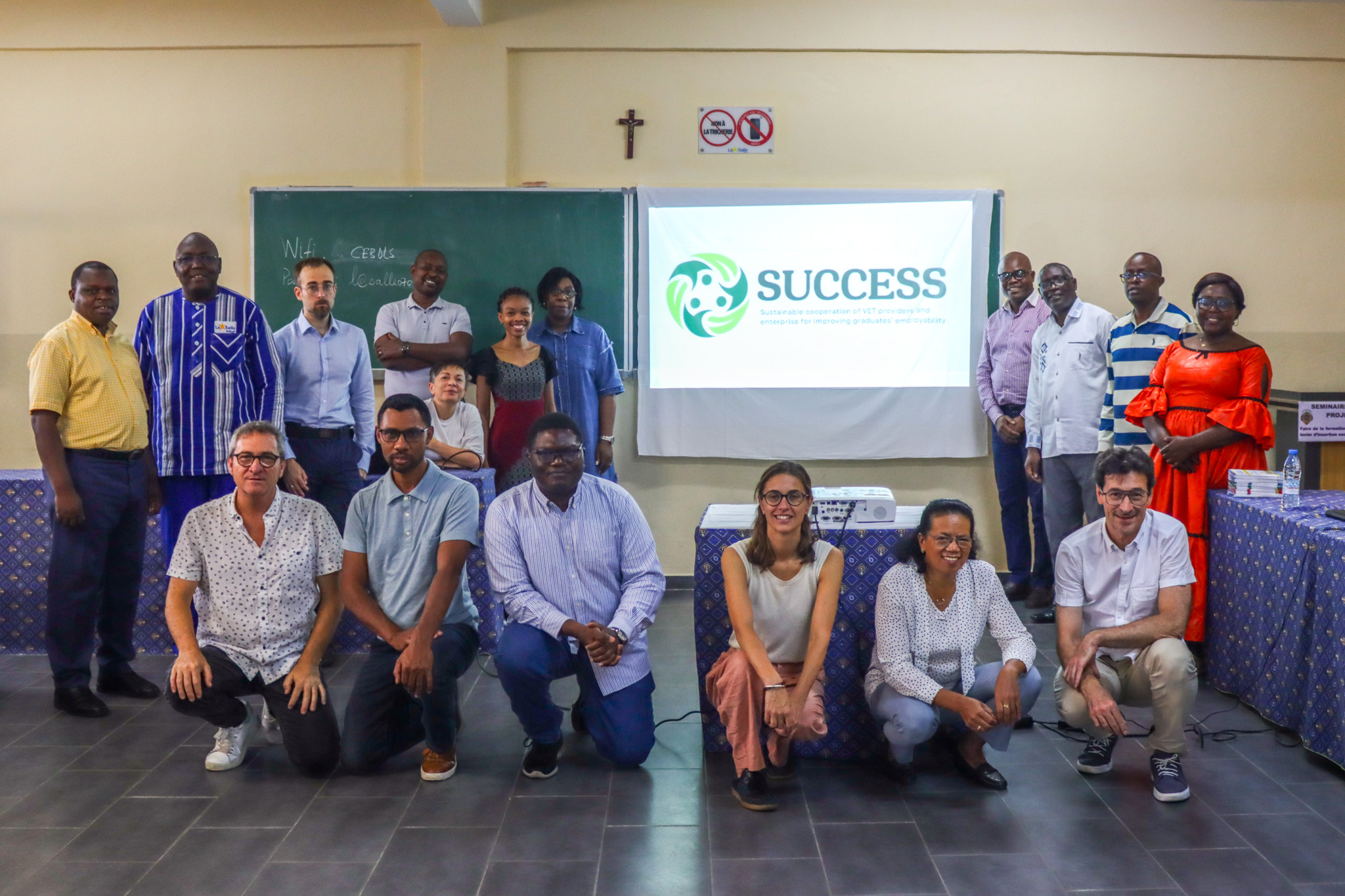
From 13 to 19 July 2026, the city of Douala (Cameroon) hosted the International Implementation Meeting of the SUCCESS Project – Sustainable Cooperation of VET Providers and Enterprises for Improving Graduates' Employability, co-funded by the European Union. During the week, European and African partners worked side by side to strengthen cooperation between Vocational Education and Training (VET) institutions and the private sector, with the common goal of improving young people's employability and supporting the green transition in Africa.
Hosted by CFPC La Salle Douala, the meeting combined technical sessions, study visits, seminars, practical workshops and collaborative planning activities. Participants explored local good practices, met trainers, students and entrepreneurs, exchanged experiences from their respective countries and jointly developed concrete strategies for implementing the VET–Enterprise Cooperation Framework within the partner institutions.
Throughout the event, partners also worked on the preparation of their National Implementation Plans, defining practical actions to strengthen partnerships with enterprises, establish Career Offices and develop innovative training opportunities aligned with labour market needs, particularly in the fields of renewable energy and green skills.
The meeting represented another important milestone in the SUCCESS journey, reinforcing international cooperation, knowledge exchange and the shared commitment to creating more inclusive, labour market-oriented vocational education systems across Africa.
A sincere thank you to CFPC La Salle Douala for the excellent organisation and warm hospitality, and to all partners for their active participation and valuable contributions.
Together, we are building stronger partnerships for a more sustainable future.
Co-funded by the European Union. Views and opinions expressed are however those of the author(s) only and do not necessarily reflect those of the European Union or the European Education and Culture Executive Agency (EACEA). Neither the European Union nor EACEA can be held responsible for them.